
How to Track Website Marketing Performance in 2026 (Step-by-Step Guide) 
Many businesses run digital marketing without knowing the real results. Money gets spent, but growth stays unclear. That is where performance tracking becomes critical. It shows what works and what needs improvement. In this guide, you will learn how to track website marketing performance properly. The focus stays practical, simple, and results-driven. 
What Does Website Marketing Performance Tracking Mean? 
Website marketing performance tracking means measuring digital results. It focuses on traffic quality, engagement, and conversions. You analyze data from SEO, ads, social media, and email campaigns. The aim stays simple. Make better decisions using real insights. 
Why Tracking Marketing Performance Matters in 2026 
Digital competition keeps increasing every year. Guess-based marketing no longer works in 2026. Tracking performance helps businesses control budgets better. You invest more in strategies that actually deliver results. Based on hands-on experience with startups and Indian businesses, data-driven decisions always lead to consistent growth. 
Step-by-Step Guide to Track Website Marketing Performance 
Step 1: Set Clear Marketing Goals 
Start with one clear objective at a time. Decide whether you want traffic, leads, or sales. Examples include contact form submissions or demo bookings. Clear goals make tracking focused and accurate.
Step 2: Choose the Right KPIs
KPIs help measure real marketing success. They should directly match your business goals. Important KPIs include conversion rate, bounce rate, and traffic sources. Avoid tracking unnecessary metrics that create confusion.
Step 3: Analyze Traffic Sources 
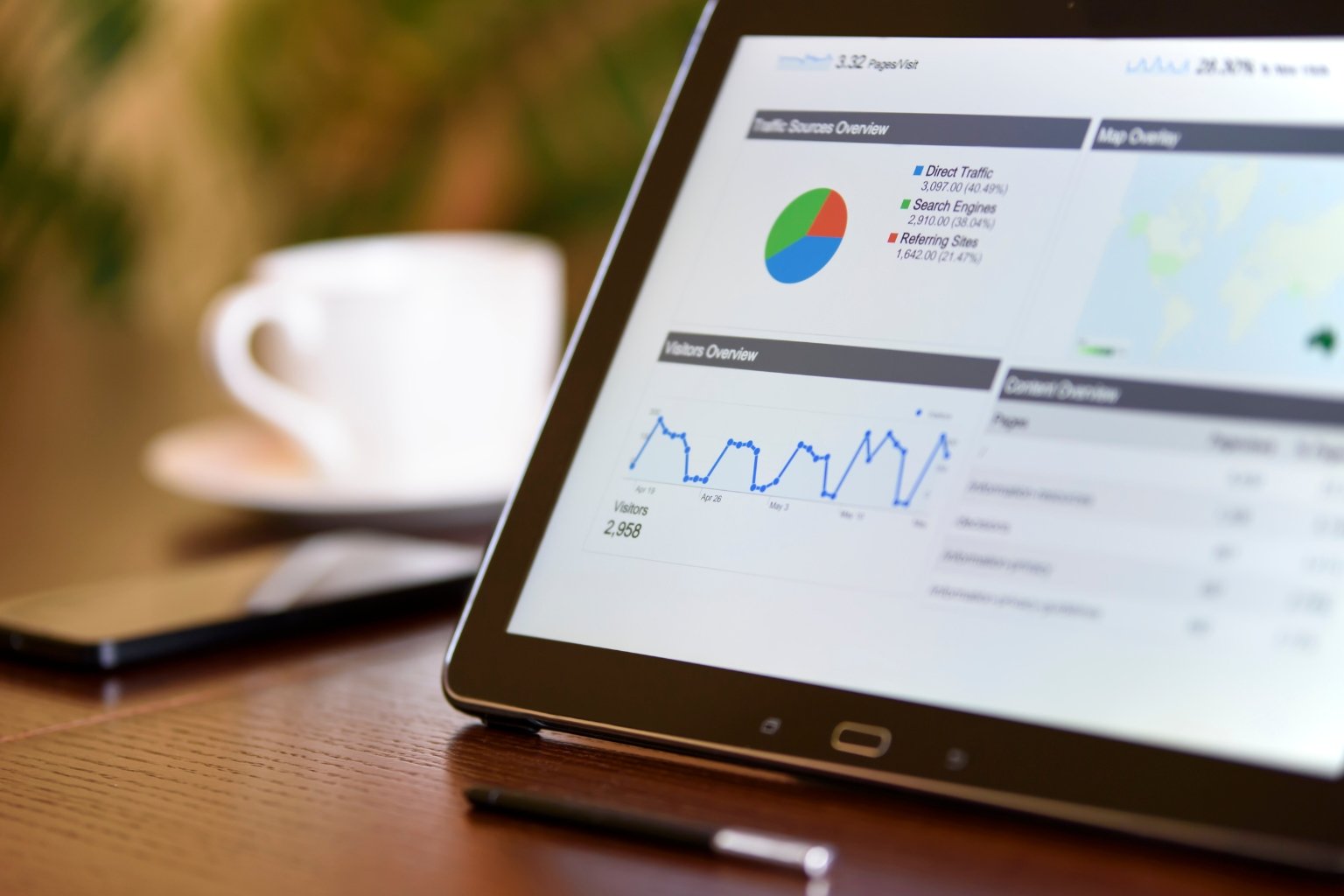
Traffic sources show where visitors come from. These include search engines, social platforms, and paid ads. This data helps you identify profitable channels. You stop wasting money on low-performing sources.
Step 4: Measure User Engagement 
Engagement metrics reveal user behavior patterns. They include time on page and pages per session. High engagement shows strong content relevance. Low engagement signals UX or content issues.
Step 5: Track Conversions and Lead Actions 
Conversions represent real business outcomes. Examples include purchases, signups, or phone calls. Set goals inside analytics tools properly. This step connects marketing activity with revenue. 
Step 6: Monitor Organic Search Performance 
Organic performance shows long-term growth potential. Track impressions, clicks, and keyword visibility. Review which pages attract quality traffic. Optimize underperforming pages regularly.
Step 7: Review Campaign Performance 
Evaluate paid ads and social campaigns weekly. Check click-through rates and cost per lead. Pause weak campaigns early. Scale campaigns delivering strong ROI. 
Actionable Tips with Real Examples 
A startup tracked blog traffic every week. One article generated the most lead inquiries. They expanded content around the same topic. Lead generation improved by 40 percent in two months. A freelancer tracked social media conversions. They stopped weak platforms and saved budget instantly.
Common Mistakes to Avoid 
Tracking too many metrics creates confusion. Focus only on numbers linked to business goals. Ignoring mobile data is another major mistake. Most website traffic now comes from mobile users.  Skipping regular performance reviews slows growth. Weekly analysis delivers faster improvements.
Best Tools and Resources for 2026 
Google Analytics 4
Tracks traffic behavior and conversions accurately. Best choice for beginners and professionals alike.
Google Search Console
Monitors organic visibility and technical issues. Essential for SEO performance tracking.
Hotjar
Visualizes user behavior through heatmaps. Helps improve user experience effectively.
SEMrush
Tracks keywords, competitors, and campaign performance. Useful for SEO and paid marketing analysis.
FAQs: Website Marketing Performance Tracking 
Q1. How often should performance be reviewed?
Weekly reviews work best for optimization. Monthly reviews help identify long-term trends.
Q2. Which metrics matter most for small businesses?
Traffic quality, conversions, and engagement matter most. Avoid focusing only on vanity metrics.
Q3. Can beginners track marketing performance easily?
Yes, modern tools simplify tracking significantly. Start small and learn step by step.
Q4. Is performance tracking useful for service websites?
Yes, it helps measure inquiries and lead quality. Service businesses benefit greatly from tracking.
Q5. Does tracking improve marketing ROI?
Yes, it highlights profitable strategies quickly. It reduces wasted marketing spend. 
Conclusion: Track Smarter, Grow Faster
Tracking website marketing performance is essential today. It builds clarity, confidence, and consistent growth. Start with simple tools and clear goals. Improve strategies using insights, not assumptions.
For expert guidance, explore professional marketing solutions. Smart tracking always leads to smarter growth. Explore expert solutions on digitalwheel.in or request a free audit today
Leave A Comment